
Landscaping a New Home in Northeast Ohio: What Should You Prioritize First?
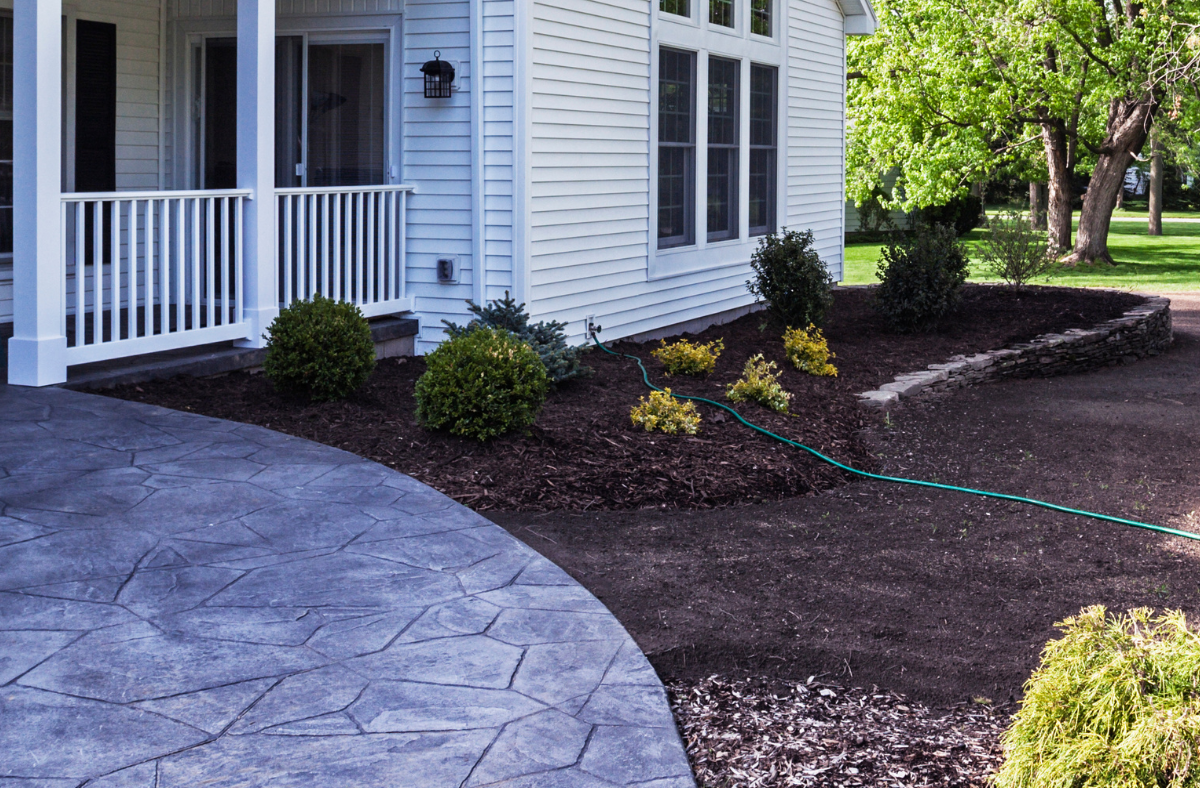
Building a new home is exciting, and the work doesn't stop when construction is finished. Significant work will take place after construction wraps up, and an experienced landscape professional can offer helpful guidance for the long-term success of your landscape. Unlike updating an established yard, starting from scratch requires planning ahead to save you time, money, and costly changes.
Although it's tempting to jump right into planting trees and flowers, a few landscape tasks should come first.
New home landscaping in NE Ohio should start with the basics: grading, drainage, soil, lawn establishment, and a plan for how you want to use the property. You can then build on that foundation with planting, mulching, and other outdoor enhancements.
What Should You Prioritize First?
If you're wondering where to start with new construction landscaping, a good order is:
1. Grading and drainage
Make sure water is moving away from the house and toward appropriate drainage areas.
2. Irrigation and lighting
Plan these systems before the landscape is fully installed.
3. Soil preparation and quality
Address compaction and add quality soil before installing plants or turf.
4. Lawn establishment
Choose the right method for planting grass and give it the care it needs while roots develop.
5. Trees and major plantings
Plan around mature plant size and site conditions.
6. Outdoor entertainment spaces
Think about how you will use the property and what outdoor features are most important.
7. Build your landscape in phases, if needed
Think about future landscape additions during the planning phase.
Start With Grading and Drainage
Take a close look at how water moves across your property. New construction can change the natural grade of a site. Soil may have been moved during excavation, and heavy equipment can leave areas compacted. The finished landscape needs to direct water away from the home.
Without proper grading, water can pool near your brand-new foundation, increasing the risk of erosion, standing water, and long-term structural issues. This is especially important in NE Ohio, where heavy rain, snow, and freeze-thaw cycles are common.
A new construction landscape plan should consider slopes, downspout locations, low areas, and where water naturally moves. Before planting anything, make sure the water is going where it should.
Install Irrigation Early
If irrigation is something you are considering, discuss it with your landscape professional early in the planning process. Installing irrigation before the lawn, planting beds, and outdoor features are added can make the process easier.
Irrigation should also be designed around the different needs of the property. Lawn areas, trees, shrubs, and planting beds may not all need the same amount of water.
Evaluate Soil Quality Before You Plant
The soil around a new home may not be the same soil you would find in an established landscape.
Heavy construction equipment often compacts the ground around your new home, affecting how air and water move through the soil. Compacted soil can make it harder for grass, shrubs, and trees to establish healthy root systems. The University of Minnesota Extension explains that soil compaction can reduce water infiltration and drainage while making it more difficult for roots to grow.
Digging that occurs during construction can also remove healthy black topsoil from your ground, leaving you with harder clay-based soil that restricts root growth and limits drainage. Before installing your landscape, evaluate the soil and determine whether it needs aeration or a quality topsoil added.
Establish the Lawn
Once grading and soil preparation are completed, new lawn establishment is one of the next priorities. Getting grass started around the new home makes the property feel finished and provides a permanent ground cover to help reduce erosion.
Seed, sod, and hydroseeding each have advantages, and the best choice may depend on how quickly you want lawn growth and thickness. It’s important to establish the lawn correctly using recommended seeding methods. If you are seeding your lawn, use a broadcast spreader so seeds are disbursed evenly. If using sod, lay strips tightly together, staggering seams like bricks. Hydroseeding offers the quickest lawn growth that is thick and even.
New lawn growth needs frequent watering and maintenance while the root system develops. An irrigation system is often part of a new home landscaping plan that allows you to schedule the correct amount and frequency of watering.
Plan Tree and Shrub Placement
Once the foundation of your landscape is complete, you can start thinking about the trees and shrubs that will give your new home structure and character.
Tree placement is important to plan carefully because they will remain part of the landscape for decades. Consider their mature size, closeness to the house, and overhead utilities before deciding where to plant them.
Choose planting locations based on the mature height and width of trees and shrubs rather than only their size when they are first planted. The Arbor Day Foundation offers a tree finder wizard to help you select the best tree choices for your area and site conditions.
Shrubs add height and color to landscape beds. Always plants shrubs at least 30” away from a home’s foundation. Stagger shrubs of different heights and textures for a layered look.
An experienced landscaping company can provide valuable guidance on the future size and ideal placement of trees and shrubs.
Choose Plants That Thrive in Northeast Ohio
Northeast Ohio has four distinct seasons, so plant selections must be hardy enough to survive winter temperatures, summer heat, and rainy/dry periods.
Plants can look good and thrive in your regional location if chosen carefully. Check out our Rooted Right guide to learn how to get the most out of your new plantings, with tips on proper planting, watering, and how to keep your landscape healthy and thriving all season long.
Before choosing plants, ask questions such as:
✔ How much sun does the area receive?
✔ Does the soil stay wet or dry quickly?
✔ How large will the plant become?
✔ How much maintenance will it require?
✔ Will it provide color or texture during more than one season?
Choosing the right plant for the right space can help create a landscape that looks better and requires less maintenance later. Ohio State University Extension provides resources on Ohio’s native trees and shrubs to help you select the best plant choices for our location.
Plan Outdoor Entertainment Spaces
Once the basic landscape is established, think about how you want to use your outdoor space.
Do you want a patio for entertaining? A path connecting the driveway to the backyard? A landscaped space for children to play? An outdoor kitchen area or firepit?
New construction landscaping ideas should consider future enhancements. Planning the location of a future patio, outdoor lighting, irrigation, or additional planting beds can prevent you from having to tear up an established lawn later.
Build the Landscape in Phases if Needed
It makes sense to focus first on landscape essentials and then add other features over time. Getting the grading, drainage, soil, and lawn installed correctly gives you a solid foundation.
Trees, flower beds, patios, outdoor living spaces, and other enhancements can then be added as your budget allows.
A phased approach can also give you time to see how you actually use the property before committing to larger outdoor projects.
Work With A Professional Landscape Company
The best new home landscaping plan is coordinated with a professional lawn and landscape company.
Before choosing plants, trees, and materials, look at your entire property with a professional to evaluate drainage, soil, sunlight, usage patterns, maintenance, and how you want to use your outdoor space.
Our 5 Star team can help plan lawn and landscape installations for new home builds throughout Northeast Ohio that work with your unique property and goals. From grading and drainage to full lawn establishment and planting, our team can help turn a new construction site into a finished outdoor area.
