
Hydroseeding Guide for Northeast Ohio
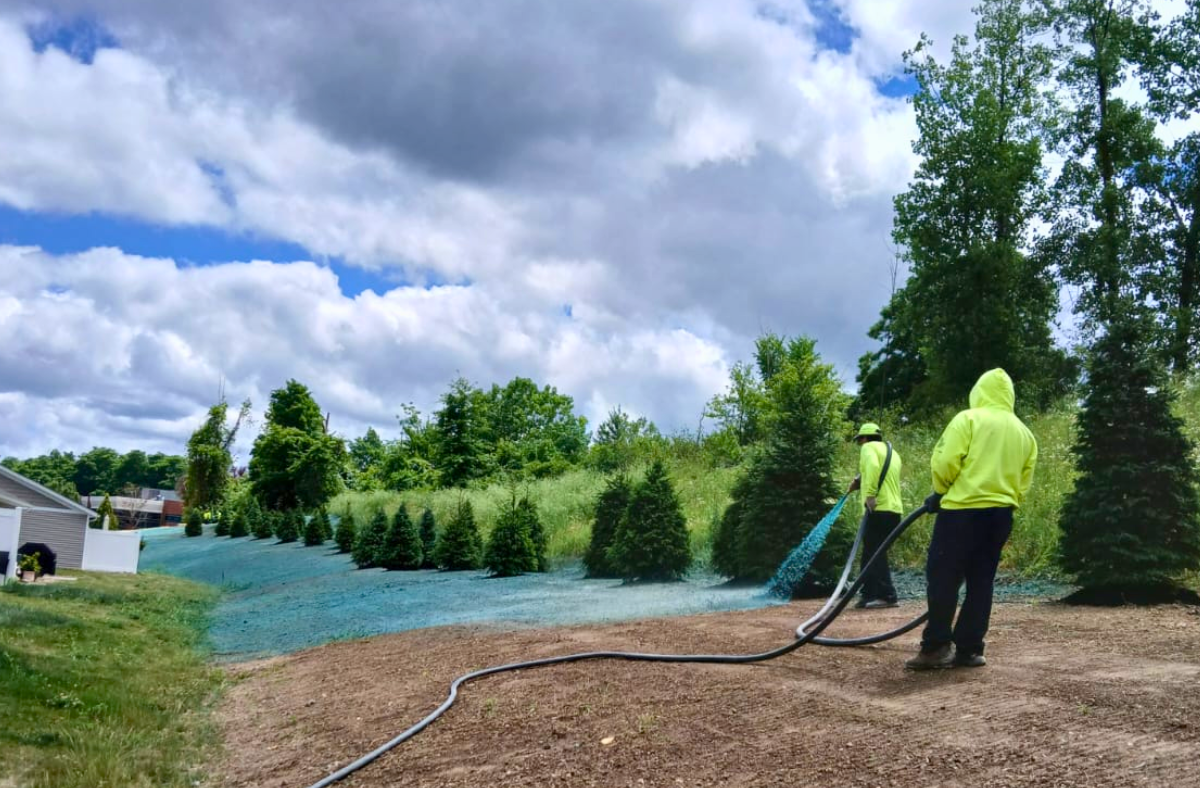
Hydroseeding is a great option for a fast, effective way to establish a healthy lawn for properties throughout the NE Ohio area. Hydroseeding creates thick lawns and includes proper site preparation, professional application, and ongoing lawn care support.
One of the most important parts of a successful hydroseeded lawn is the aftercare. Proper watering, mowing, and maintenance during the first several weeks can make all the difference in how your lawn establishes and fills in. If you are new to caring for a freshly planted lawn or garden bed, these beginner gardening mistakes to avoid can help you better understand watering, soil conditions, and early plant care.
What Is Hydroseeding?
Hydroseeding is a planting method that combines grass seed, mulch, fertilizer, and water into a slurry that is sprayed evenly across prepared soil. This process helps improve seed-to-soil contact and moisture retention, creating ideal conditions for germination and early growth.
Hydroseeding is commonly used for:
New lawn installations
Large residential properties
Sloped areas prone to erosion
Repairing bare or damaged lawn areas
Commercial landscape projects
Compared to traditional hand seeding, hydroseeding provides more uniform coverage and helps protect seeds from being washed away during rain or windy conditions. For commercial sites, HOAs, and new developments, healthy lawn establishment is one of the commercial landscaping features that impact property value and long-term curb appeal.
How Long Does Hydroseed Take to Grow?
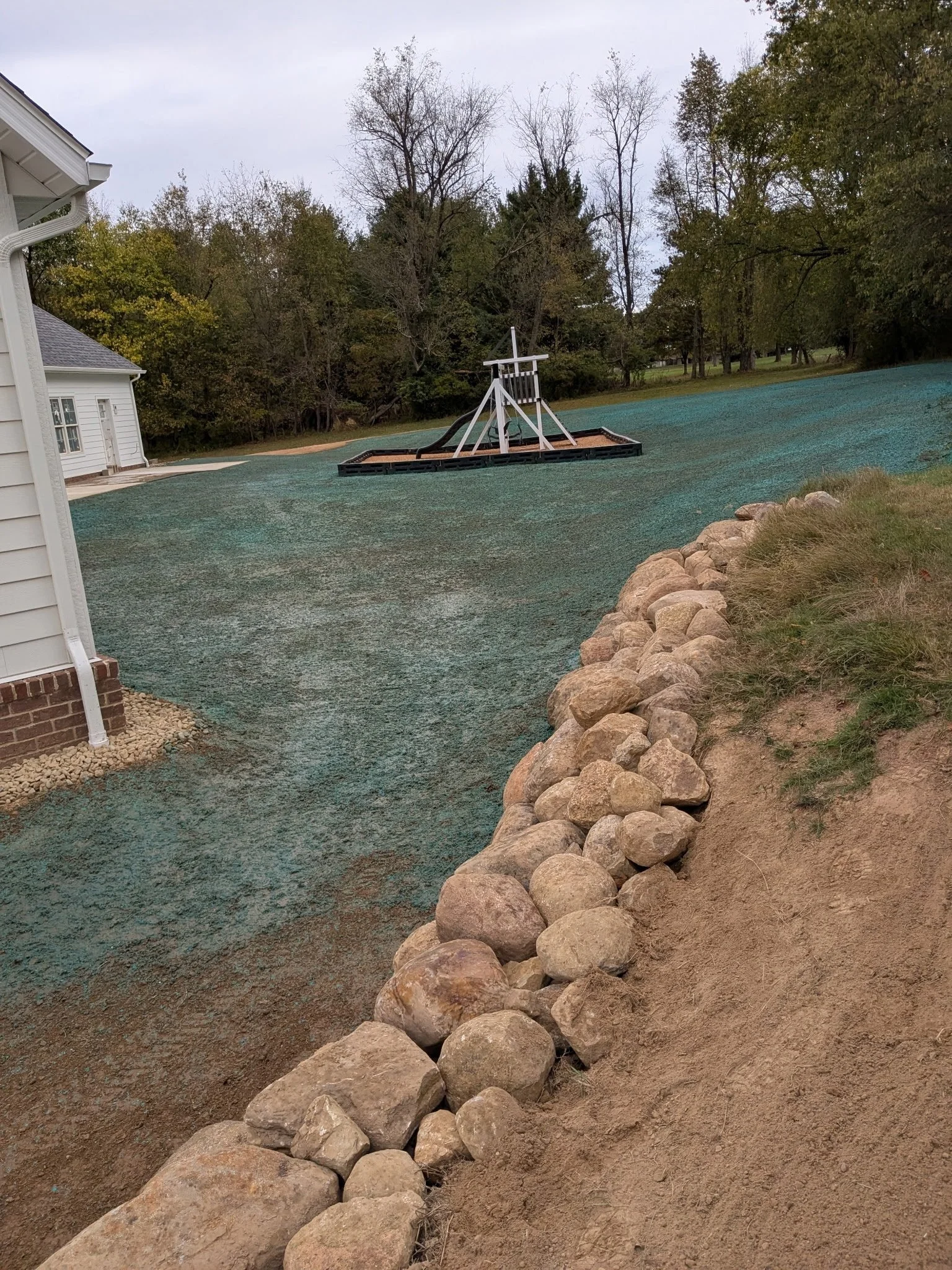
In Northeast Ohio, most hydroseeded lawns begin showing growth within 7 to 21 days, depending on weather conditions, soil temperatures, and watering consistency. Full lawn establishment can take several months, with continued thickening throughout the growing season.
Spring and early fall are typically the best times for hydroseeding in Ohio because temperatures are cooler and natural rainfall is more consistent.
Watering Is the Most Important Step
Proper watering is critical during the first few weeks after hydroseeding. The goal is to keep the soil consistently moist without oversaturating it.
Here are some general watering guidelines:
Begin watering after the mulch has dried, usually within 24 hours
Water lightly and frequently during the first two weeks
Keep the surface moist, similar to a damp sponge
Avoid puddling, runoff, or overly saturated soil
Reduce watering frequency gradually as the lawn establishes
Hot summer weather may require more frequent watering, while cooler or rainy conditions may require less.
When Can You Mow a Hydroseeded Lawn?
Avoid mowing too early. New grass needs time to establish strong roots before it can handle foot traffic or mower weight.
Most hydroseeded lawns are ready for the first mowing once the grass reaches about 3 to 4 inches tall and feels firmly rooted. When mowing, don’t cut the grass too short or you risk damaging the new roots.
Is It Normal to See Some Weeds?
Yes. It is common to see some weeds appear during the early stages of lawn establishment. In most cases, weeds come from existing soil conditions rather than the hydroseed mixture itself.
As healthy grass thickens, it naturally crowds out many weeds over time. Weed control products should generally be avoided during the first few months because they can damage young grass seedlings. Hand removal is usually the safest option during early establishment.
Common Hydroseeding Mistakes
Several factors can affect the success of a hydroseeded lawn. Some of the most common issues include:
Inconsistent watering
Poor soil preparation
Excessive foot traffic
Heavy rain causing washout
Mowing too early
Applying weed control products too soon
Many lawn care discussions online emphasize that patience and consistent maintenance are key during the first growing season. Areas may fill in at different rates depending on sun exposure, soil conditions, and moisture levels.
Can Hydroseeding Work on Slopes?
Yes. Hydroseeding is often used on slopes and embankments because the mulch helps hold seed in place and reduces erosion. Specialized mulch products can also improve moisture retention and seed stability on steeper grades.
Professional Hydroseeding Services in Wooster, Ohio
At 5 Star Lawn Care and Landscape, we provide professional hydroseeding and lawn establishment services tailored to Ohio's growing conditions. From site preparation to ongoing lawn maintenance, our team helps you create healthy, attractive lawns that continue to improve over time.
Whether you are starting a brand-new lawn, repairing damaged areas, or improving erosion control on your property, hydroseeding can provide an efficient and cost-effective solution.
Contact our team today to learn more about hydroseeding services in Wooster and the surrounding communities.
